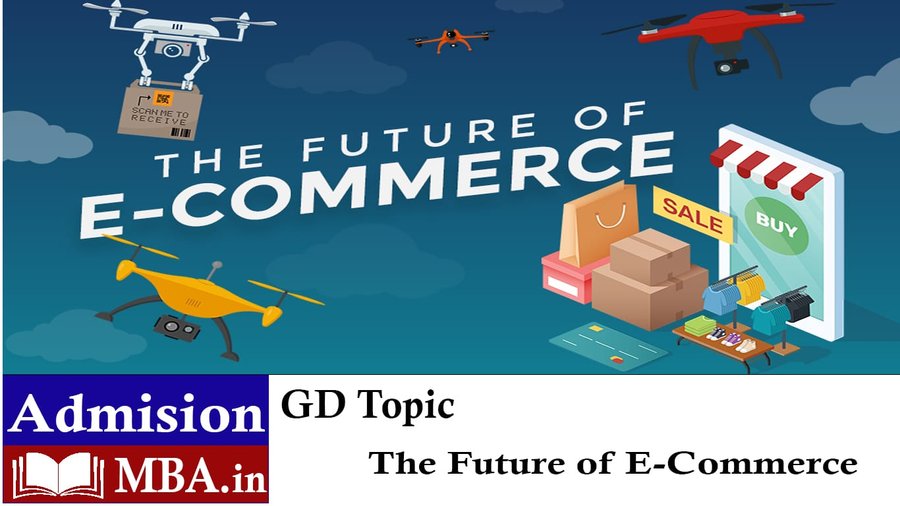
Introduction: Evolution and Current State of E-Commerce
- E-commerce has transformed the retail landscape by enabling consumers to purchase products and services online, bypassing traditional brick-and-mortar stores.
- Driven by advancements in internet penetration, mobile technology, and digital payment systems, e-commerce today constitutes a significant share of global retail sales.
- The future of e-commerce promises even more dramatic shifts driven by technology, consumer behavior, and globalization.
Growing Market Size and Consumer Base
- The e-commerce market is projected to grow exponentially over the next decade, fueled by increasing smartphone adoption and internet accessibility, especially in emerging markets.
- New consumer segments, including older generations and rural populations, are becoming digitally savvy, expanding the potential market.
- This democratization of online shopping will create vast new revenue streams.
Integration of Advanced Technologies
- Artificial intelligence (AI) and machine learning will play a pivotal role in personalizing customer experiences by offering tailored recommendations and dynamic pricing.
- Augmented reality (AR) and virtual reality (VR) will allow consumers to virtually try products, enhancing confidence and reducing returns.
- Voice commerce, powered by smart speakers and voice assistants, will simplify shopping processes, making transactions more natural and hands-free.
Omnichannel Experience: Blurring Lines Between Online and Offline
- Future e-commerce strategies will focus on seamless integration between physical stores and digital platforms, providing consumers with unified shopping experiences.
- Concepts like “click and collect,” where customers order online and pick up in-store, and “showrooming,” where customers try in-store but buy online, will become more prevalent.
- Retailers investing in omnichannel logistics and inventory management will gain competitive advantage.
Rise of Social Commerce and Influencer Marketing
- Social media platforms will increasingly become sales channels, enabling users to purchase products directly via posts, stories, and live streams.
- Influencer marketing will continue to shape consumer preferences, making peer recommendations and user-generated content key drivers of sales.
- Platforms like Instagram, TikTok, and Pinterest are innovating to integrate shopping features natively.
Sustainability and Ethical Consumerism
- Consumers are becoming more conscious about environmental impact and ethical sourcing, pushing e-commerce companies to adopt sustainable packaging, carbon-neutral deliveries, and fair-trade products.
- Transparency regarding product origins and supply chains will be crucial, leveraging blockchain for traceability.
- E-commerce companies with strong sustainability credentials will build stronger brand loyalty and meet regulatory requirements.
Faster and Smarter Logistics and Supply Chain Management
- Last-mile delivery will see innovations such as drone delivery, autonomous vehicles, and smart lockers to reduce delivery times and costs.
- Real-time tracking and predictive analytics will enhance supply chain visibility and customer satisfaction.
- Localized warehouses and dark stores will enable hyper-local deliveries, catering to consumer demand for speed.
Payment Innovations and Financial Inclusion
- Digital wallets, cryptocurrencies, and buy-now-pay-later (BNPL) models will diversify payment options, enhancing convenience and affordability.
- Blockchain technology may provide more secure and transparent payment processing.
- Increased financial inclusion via digital payment platforms will enable unbanked populations to participate in e-commerce.
Data Privacy, Security, and Regulatory Compliance
- With the growth of e-commerce comes increased responsibility to protect consumer data and ensure privacy.
- Regulatory frameworks like GDPR, CCPA, and others globally will demand strict adherence to data protection standards.
- Investing in cybersecurity will be critical to maintaining consumer trust and preventing data breaches.
Challenges of Competition and Market Saturation
- The e-commerce space is becoming intensely competitive with global players, niche startups, and regional specialists vying for market share.
- Differentiation through customer experience, pricing, and product assortment will be key to standing out.
- The cost of customer acquisition is rising, necessitating innovative marketing and retention strategies.
Role of Artificial Intelligence in Customer Service
- AI-powered chatbots and virtual assistants will provide 24/7 customer support, resolving queries and guiding purchase decisions instantly.
- Sentiment analysis and natural language processing will help companies better understand consumer feedback and adapt services accordingly.
- This automation improves efficiency and scalability while enhancing user satisfaction.
Globalization and Cross-Border E-Commerce
- The future will see more consumers purchasing from international sellers, facilitated by improvements in logistics, payment gateways, and regulatory harmonization.
- Cross-border e-commerce enables brands to access new markets but also introduces complexities like customs, duties, and local compliance.
- Companies investing in localization of content, pricing, and customer service will excel in global markets.
Customization and Mass Personalization
- Advances in data analytics and manufacturing technologies like 3D printing will allow e-commerce platforms to offer personalized products at scale.
- Consumers will expect tailored experiences not only in marketing but also in product offerings, packaging, and delivery options.
- This personalization drives engagement and brand loyalty.
Sustainability of Growth: Addressing Environmental Concerns
- While e-commerce growth is undeniable, it also brings environmental challenges such as increased packaging waste and carbon emissions from deliveries.
- Industry collaboration and innovation in eco-friendly materials and logistics will be required to mitigate these effects.
- Consumers will increasingly reward brands demonstrating genuine environmental stewardship.
Impact on Traditional Retail and Job Markets
- The rise of e-commerce will continue to disrupt traditional retail stores, causing closures but also creating new opportunities in fulfillment, tech development, and digital marketing.
- Workforce skills will need to evolve, emphasizing digital literacy, logistics management, and data analytics.
- Policies to manage the transition and reskill workers will be important to reduce social disruption.
Emergence of Marketplaces and Platform Economies
- Online marketplaces aggregating multiple sellers provide customers with extensive choice and competitive pricing.
- Platform economies enable smaller businesses to access global customers without heavy investment in infrastructure.
- Marketplaces like Amazon, Alibaba, and Etsy will continue to grow, but regulatory scrutiny may increase over monopolistic practices.
Importance of User Experience and Website/App Design
- Intuitive navigation, fast loading times, secure checkout, and mobile responsiveness will remain critical to reducing cart abandonment.
- Continuous A/B testing and UX optimization will be necessary to stay ahead of consumer expectations.
- Integration of multimedia content and interactive features will enhance engagement.
The Role of Artificial Intelligence in Inventory Management
- AI-driven demand forecasting and inventory optimization reduce stockouts and overstock, lowering costs and improving service levels.
- Automated warehousing and robotics will increase fulfillment speed and accuracy.
- These technologies are essential for scaling operations efficiently.
Adoption of Subscription and Loyalty Programs
- Subscription models provide predictable revenue streams and enhance customer retention.
- Loyalty programs that reward repeat purchases and social engagement increase lifetime customer value.
- These strategies are expected to grow in importance in the coming years.
Conclusion: The Future is Digital, Customer-Centric, and Sustainable
- The future of e-commerce will be shaped by rapid technological advances, evolving consumer expectations, and growing emphasis on sustainability.
- Businesses that embrace innovation while balancing ethical and environmental considerations will lead the market.
- For MBA professionals, understanding these trends is essential to navigating and shaping the future retail landscape, leveraging digital tools to create superior value for customers and stakeholders.