Introduction: India’s Emergence on the Global Stage
- India, as the world’s largest democracy and a rapidly growing economy, has become an influential player in global affairs.
- Its strategic location, demographic strength and economic potential position it uniquely to contribute significantly to global governance, security and development.
- India’s role extends beyond regional influence, aspiring to shape global norms and policies.
Political Influence and Diplomatic Engagements
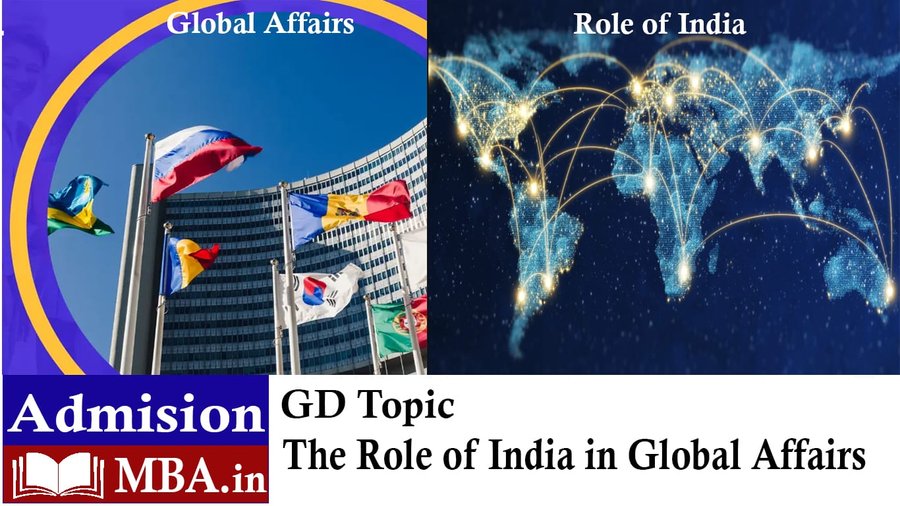
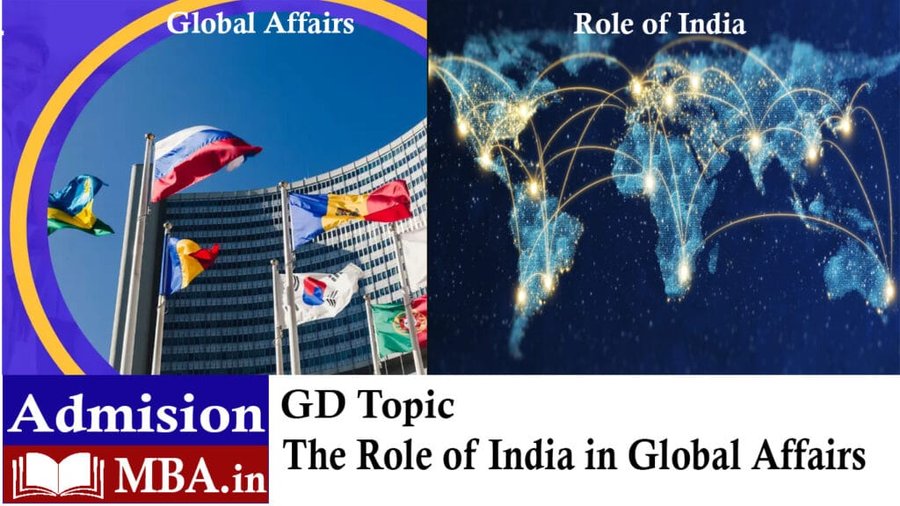
- India maintains an active diplomatic presence worldwide, participating in multilateral forums such as the United Nations, G20, BRICS and the World Trade Organization.
- It advocates for a multipolar world order that balances power among nations, seeking reforms in global institutions to better represent emerging economies.
- India’s foreign policy emphasizes strategic autonomy, non-alignment and partnership with diverse countries, enhancing its diplomatic reach.
Economic Contributions and Global Trade
- As the fifth-largest economy globally, India plays a crucial role in international trade, investment and economic cooperation.
- It is a major player in the global IT and services sector, contributing significantly to innovation and digital transformation.
- India’s ‘Make in India’ initiative aims to boost manufacturing and exports, attracting foreign direct investment (FDI) and integrating India deeper into global supply chains.
India’s Soft Power and Cultural Diplomacy
- India wields considerable soft power through its rich cultural heritage, including yoga, Bollywood, cuisine and democratic values.
- Cultural diplomacy helps foster goodwill and mutual understanding, strengthening bilateral relations and people-to-people connections.
- Initiatives like the International Day of Yoga and the global popularity of Indian culture enhance India’s global image.
Strategic Military and Security Role
- India is one of the largest military powers with advanced defense capabilities, nuclear deterrence and growing defense technology.
- It actively participates in global peacekeeping missions under the UN, showcasing its commitment to international peace and security.
- India collaborates with global powers on counterterrorism, cybersecurity and maritime security, especially in the Indo-Pacific region.
Regional Leadership in South Asia
- India is the dominant power in South Asia, playing a vital role in regional stability, economic integration and conflict resolution.
- It pursues neighborhood-first policies, fostering connectivity, trade and cultural ties with neighboring countries.
- Balancing complex relations, especially with Pakistan and China, remains central to India’s regional diplomacy.
Global Climate Leadership and Sustainable Development
- India is a leading voice for climate justice, emphasizing the balance between development and environmental protection.
- It spearheads global initiatives like the International Solar Alliance and actively participates in climate change negotiations.
- India’s commitment to renewable energy and sustainable development reflects its role in addressing global environmental challenges.
Technological Innovation and Space Exploration
- India’s advancements in technology and space science have garnered global recognition, such as the Mars Orbiter Mission and satellite launches.
- Collaborations with other countries on technology transfer and space research enhance India’s scientific diplomacy.
- Technology innovation strengthens India’s role in global digital governance and cybersecurity frameworks.
India’s Role in Global Health Initiatives
- India is known as the “pharmacy of the world” due to its pharmaceutical industry, supplying affordable medicines and vaccines globally.
- During the COVID-19 pandemic, India’s vaccine diplomacy helped many developing countries access life-saving vaccines.
- India’s commitment to global health initiatives improves international cooperation in tackling pandemics and health crises.
Championing Global South and Developing Nations
- India advocates for the interests of the Global South, emphasizing equitable development and fair trade.
- It supports capacity-building, technology sharing and humanitarian aid in developing countries.
- India’s leadership in forums like G77 highlights its role as a spokesperson for emerging economies.
Diaspora as a Global Asset
- The Indian diaspora, one of the largest globally, contributes significantly to India’s global presence through remittances, cultural exchange and business ties.
- Diaspora communities help build bridges between India and host countries, enhancing bilateral relations and trade.
- Governments actively engage diaspora for soft power projection and economic collaboration.
India and Global Security Architecture
- India pushes for a greater role in shaping global security, including seeking permanent membership in the UN Security Council.
- It cooperates on counterterrorism, non-proliferation and maritime security, addressing threats in a complex global security environment.
- India’s strategic partnerships with countries like the US, Japan and Australia underline its role in the Indo-Pacific security framework.
Challenges in India’s Global Role
- Despite growing influence, India faces challenges such as border conflicts, balancing relations with major powers and internal development needs.
- Managing geopolitical rivalries, particularly with China and Pakistan, complicates India’s diplomatic engagements.
- Economic disparities and infrastructure gaps limit India’s full potential on the global stage.
Multilateralism and Reform of Global Institutions
- India advocates reform of institutions like the UN, IMF and World Bank to reflect current global realities and give emerging economies greater voice.
- It participates actively in shaping international trade rules and promoting inclusive global governance.
- India’s efforts aim at making global institutions more democratic, transparent and effective.
Humanitarian Contributions and Disaster Relief
- India has extended humanitarian assistance and disaster relief across Asia, Africa and beyond.
- Its efforts in providing aid during natural disasters and conflicts enhance its global standing and strengthen bilateral ties.
- Humanitarian diplomacy reinforces India’s image as a responsible global actor.
Economic Diplomacy and Bilateral Agreements
- India has signed numerous bilateral and regional trade agreements to boost commerce and investment.
- Strategic economic diplomacy helps India integrate into global value chains and diversify trade partners.
- Initiatives like SAARC, BIMSTEC and participation in RCEP discussions reflect India’s economic diplomacy efforts.
India’s Role in Innovation and Start-up Ecosystem
- India’s vibrant start-up ecosystem contributes to global innovation, especially in fintech, health tech and clean energy sectors.
- Collaboration with international partners accelerates technology transfer and entrepreneurship development.
- This innovation-driven role enhances India’s global competitiveness.
Soft Power through Education and Cultural Exchanges
- Indian universities attract international students, fostering cultural exchange and educational diplomacy.
- Scholarships, exchange programs and research partnerships promote mutual understanding and cooperation.
- Education diplomacy strengthens India’s influence and builds long-term relationships.
Future Prospects: India as a Global Leader
- With continued economic growth, technological advancement and diplomatic engagement, India is poised to take on a more prominent global leadership role.
- India’s vision of ‘Vasudhaiva Kutumbakam’ (the world is one family) reflects its aspiration to contribute to global peace and prosperity.
- Strategic investments in defense, technology and diplomacy will enhance India’s influence in the coming decades.
Conclusion: India’s Expanding Role in Global Affairs
- India’s multifaceted role in global affairs encompasses political, economic, cultural and security dimensions.
- As a rising power, India balances its national interests with global responsibilities, striving for a more equitable and peaceful world order. For MBA aspirants and global professionals, understanding India’s evolving global role is essential to navigating international business, diplomacy and strategic leadership.
- India’s future in global affairs will depend on its ability to engage inclusively, innovate continuously and lead responsibly on the world stage.